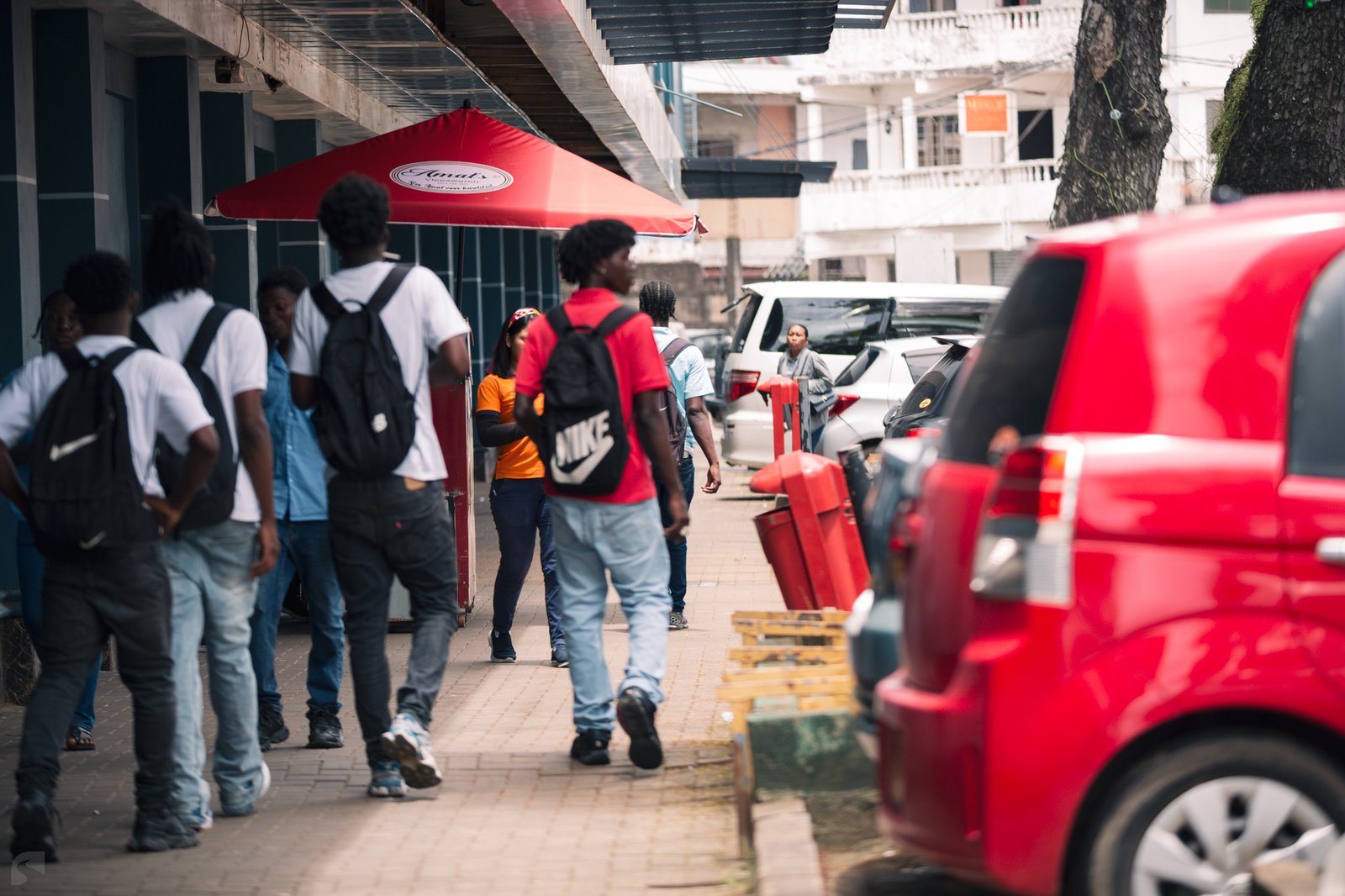
Whenever I travel outside Suriname, one of the first things I notice is how differently people relate to time.
In parts of Europe, life can feel incredibly fast: trains to catch, appointments to keep, parking meters ticking, people moving from one task to the next. Everything seems efficient, organized and constantly in motion. Even small things can feel transactional. You park; you pay. You use a public bathroom; you pay. Sometimes even a shopping cart requires a coin before you can use it.
None of those things are necessarily negative. In fact, there is something impressive about how well many European cities function. But the pace can feel intense. People seem to be moving with purpose almost all the time, and spontaneous conversations can sometimes feel harder to come by.
Coming home to Suriname always makes the contrast noticeable.
Here, the weather is warm for most of the year. There is less urgency around squeezing every possible activity into the few beautiful days available. People tend to move at a more relaxed pace. Conversations can last longer. Plans are often more flexible. And there is a familiar attitude that many Surinamese will recognize: if something cannot happen today, there is always tomorrow.
I once heard Dick Lock make an observation that stayed with me. In colder countries, good weather can be limited, so when that perfect day finally arrives, people naturally want to make the most of it. In Suriname, warmth is part of everyday life. We do not spend months waiting for a short window of summer.
Maybe that affects more than we realize. Maybe climate influences how people experience time.
Adjusting to another tempo
For some visitors, the slower rhythm of Suriname can be one of the first cultural adjustments.Things do not always happen with the same sense of urgency they may be used to. A departure might take a little longer than expected. Someone may stop to talk before getting back to work. A simple errand can unexpectedly turn into a conversation.That can sometimes be frustrating, especially if you are used to strict schedules and precise timing.
But there is another side to it.
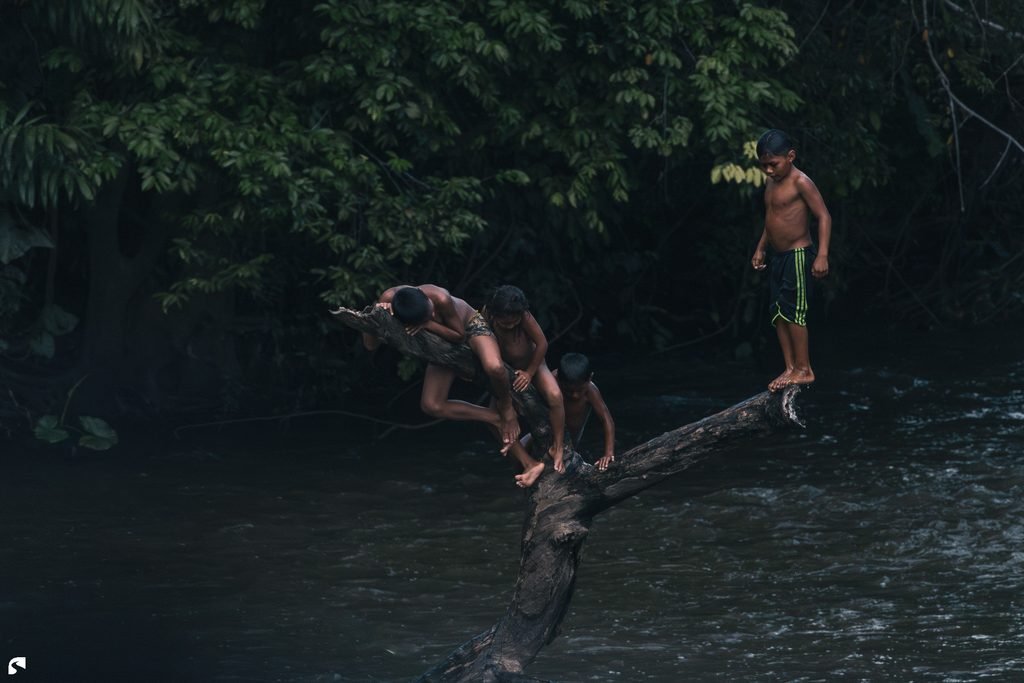
You begin to notice that not every moment has to be optimized.Sometimes the conversation itself is part of the experience. Sometimes sitting by a river for twenty minutes longer than planned is not lost time.Sometimes slowing down is exactly what allows you to notice where you actually are. You are not only travelling through another country; you are adjusting to another tempo.
Suriname is not a destination built around rushing
This becomes even more noticeable once you leave Paramaribo.
Much of Suriname cannot really be understood through a checklist of attractions. The country reveals itself during the transitions between places. A boat ride along the river. A long road into the forest. A stop at a small settlement. A guide suddenly pointing toward movement in the canopy. A conversation that starts while waiting for lunch. The journey itself often becomes part of the destination.
In many parts of the interior, rivers still function almost like highways. Boats connect communities and lodges, and the landscape changes gradually as you move away from the city. There is no subway system carrying you from attraction to attraction every ten minutes.
Travel takes time. And because it takes time, you experience distance differently.
The country changes quickly once you leave the city
Paramaribo is the obvious starting point for most visitors, but Suriname becomes a very different country surprisingly quickly once you move beyond it. In the historic center, you find wooden architecture, religious buildings, markets, government buildings and reminders of the country’s colonial history. Travel east toward Commewijne and the landscape becomes tied to rivers, plantations and old agricultural estates. Head south and the road eventually gives way to vast stretches of forest. Continue deeper into the interior and boats become more important than cars. Go west toward Nickerie and the landscape opens into rice fields, wetlands and birdlife.
For a relatively small population, Suriname contains an extraordinary variety of environments. That diversity is one of the things I think visitors often underestimate before arriving.
Nature here asks you to be patient
The same slower pace applies to wildlife. I think one of the biggest misunderstandings about nature travel is the expectation that animals will simply appear because you paid to visit a forest.
That is not how tropical ecosystems work.
A rainforest can feel completely silent one moment and suddenly become full of activity the next. A monkey may be directly above you before anyone notices. A bird call can reveal something you would never have seen otherwise. A sloth can be sitting almost perfectly still in a tree while dozens of people walk past without noticing it.
Wildlife observation rewards patience.
It also rewards people who are willing to look at more than the obvious. Trees, insects, tracks, sounds, fruit, flowers, animal behavior and even the structure of the forest itself all tell a story.
This is where my background in biology has influenced the way I experience Suriname personally. I find that nature becomes much more interesting when you begin to understand what is happening around you rather than simply looking for the largest animal.
The rivers tell another part of the story
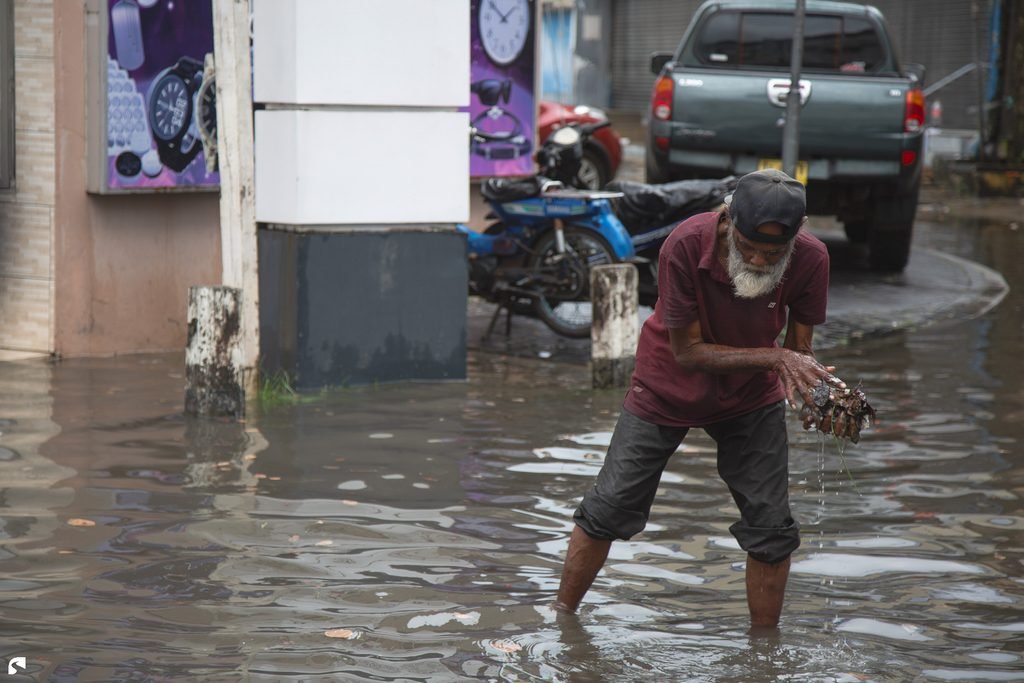
Water is everywhere in Suriname, and during the rainy season, sometimes a little too literally. After a heavy downpour, a few streets can start looking more like canals. At that point, getting to work may feel less like a commute and more like a question of whether you remembered to bring a canoe.
The Suriname River, Commewijne, Coppename, Marowijne and many smaller rivers shape how people travel, settle and live. For visitors, being on the water often becomes one of the most memorable parts of the trip. From a boat, the country feels different. The city disappears behind you. Mangroves replace buildings. Riverbanks open into former plantations, villages or forest. Sometimes dolphins appear.
Sometimes nothing dramatic happens at all, and you simply watch the light change across the water. Those quieter moments are part of Suriname too.
Culture here is something you encounter, not just something you visit
Another thing I appreciate about Suriname is how visible its cultural diversity is in everyday life. Different languages, religions, cuisines and traditions exist surprisingly close to one another. One of the clearest examples of Suriname’s cultural mix is my own upbringing. I grew up with a Caucasian Jewish mother and a Hindustani Muslim father. That combination might sound unusual in some parts of the world, but in Suriname it is entirely possible. Different religions, ethnic backgrounds, languages, and traditions have been living alongside one another here for generations. And as if that mix was not already enough, my parents enrolled me in the school closest to their shop, which happened to be Christian.
So from an early age, I was surrounded by different belief systems and cultural influences without really thinking of them as separate worlds. They were simply part of everyday life.That is one of the things I think visitors notice here too. Suriname’s diversity is not only something you read about in a museum or see during a cultural performance. It is visible in neighborhoods, food, language, religious buildings, family histories, and ordinary conversations.
You can walk through Paramaribo and encounter churches, temples, mosques and synagogues within a relatively small area. You hear Dutch, Sranan Tongo and other languages throughout the day. Food changes depending on where you are and who is cooking. And once you travel into the interior, you encounter communities whose histories, traditions and relationship with the landscape are very different from those of the capital. I think the important thing is not to treat culture as a performance created for visitors. These are places where people live.
The best experiences usually happen when travellers approach communities with curiosity rather than expectations.
Suriname is not always polished for tourism
This is something I think travellers should know before arriving. Suriname is not a destination where everything has been packaged perfectly for tourism. Infrastructure can be inconsistent. Road conditions change. Plans sometimes change. Mobile reception disappears. Things may take longer than expected. Information is not always available online. For some travellers, those things may feel inconvenient. For others, they are part of what makes the country interesting.
There are still places where you genuinely feel like you are travelling rather than moving through a tourism machine.That does not mean romanticizing inconvenience. Good organization, safety and clear communication still matter.
But Suriname rewards a little flexibility.
The history is more complicated than the scenery suggests
It is easy to focus only on the rainforest, rivers and wildlife, but the country’s history is never very far away.
Plantations along the Commewijne River. Historic buildings in Paramaribo. Maroon communities formed by people who escaped slavery and established independent societies in the interior. Indigenous communities with histories that long predate the colonial state. Migration from India, Java, China, Europe and elsewhere.
Suriname’s culture makes much more sense when you understand how these different histories overlap.
I think that is also why simply visiting attractions is not enough. Context matters.
A plantation is not just an old building. A village is not just a place to take photographs. A forest is not empty land. The more you understand the history behind a place, the more interesting the journey becomes.
Sometimes the best part is what was not planned
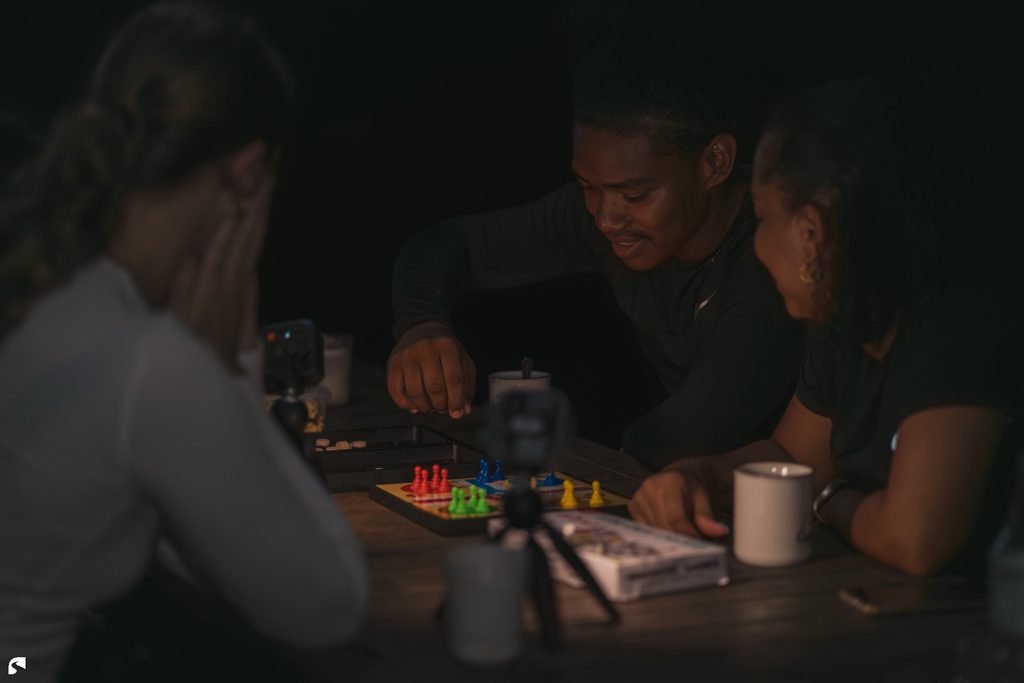
Some of my favorite travel moments have never been things that could be neatly placed on an itinerary. A long conversation. An unexpected wildlife sighting. Someone sharing food. A road stop that becomes memorable for no obvious reason. A sunset that delays everything else. These moments are difficult to advertise because they cannot be guaranteed. But they are often what people remember.
And I think Suriname creates a lot of space for them.
What I think first-time visitors should understand
If you come to Suriname expecting everything to run like a tightly scheduled European city, you may occasionally become frustrated. If you come expecting a tropical paradise where everything is effortless, you may also be surprised. The country sits somewhere more interesting in between.
It can be chaotic and peaceful in the same day. Modern and traditional. Urban and extremely remote. Efficient in some moments and wonderfully unhurried in others.
The best way to experience it, in my opinion, is to arrive with some structure but leave room for the unexpected. Plan enough to travel safely and comfortably.
But do not schedule every minute. Talk to people. Ask questions. Look around. Wait a little longer. Sometimes Suriname makes more sense when you stop trying to rush through it.
A different kind of travel
When I think about what makes Suriname worth exploring, I do not think it is one waterfall, one animal or one historical building. It is the combination.
Rainforest and wooden city architecture. Dolphins and plantation history. Long river journeys and short conversations. Multiple cultures living alongside one another. Warm weather and a slower sense of time.
Suriname is a place where travel often feels less about collecting attractions and more about understanding where you are. And maybe that is the biggest difference.
You do not always come away feeling that you have “done” Suriname. You come away feeling that you have begun to understand it.
That is a much more interesting reason to travel.
— Stephert D. Bechan
About the author
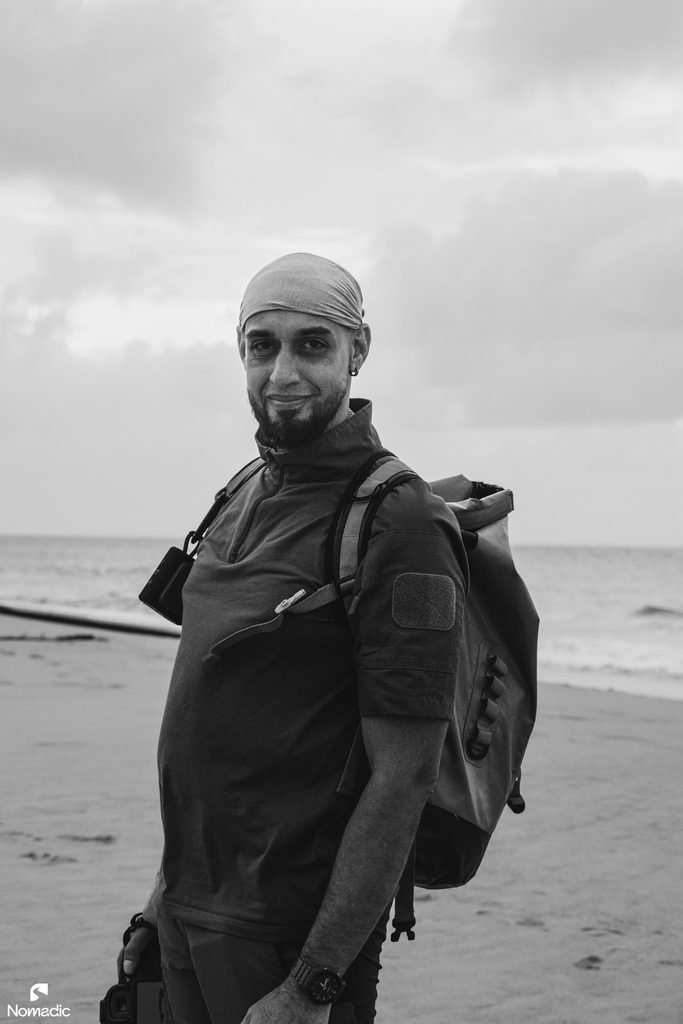
Stephert D. Bechan is the founder of Nomadic Tours & Education in Suriname, with a background in biology education, guiding, and field-based nature work. His interests in wildlife, culture, photography, and responsible travel continue to shape both his work and the way he explores Suriname. When he is not guiding, he is often discovering new places, filming, or learning more about the country’s wildlife and landscapes. Through his writing, he shares firsthand perspectives on Suriname and the experiences that exist beyond the usual tourist routes.